專業技術

心房顫動偵測專利技術 (AFIB)

百略醫學的AFIB專利技術可以在血壓測量過程
中偵測心房顫動,做為提早就醫咨詢的方法


心房顫動 AFIB

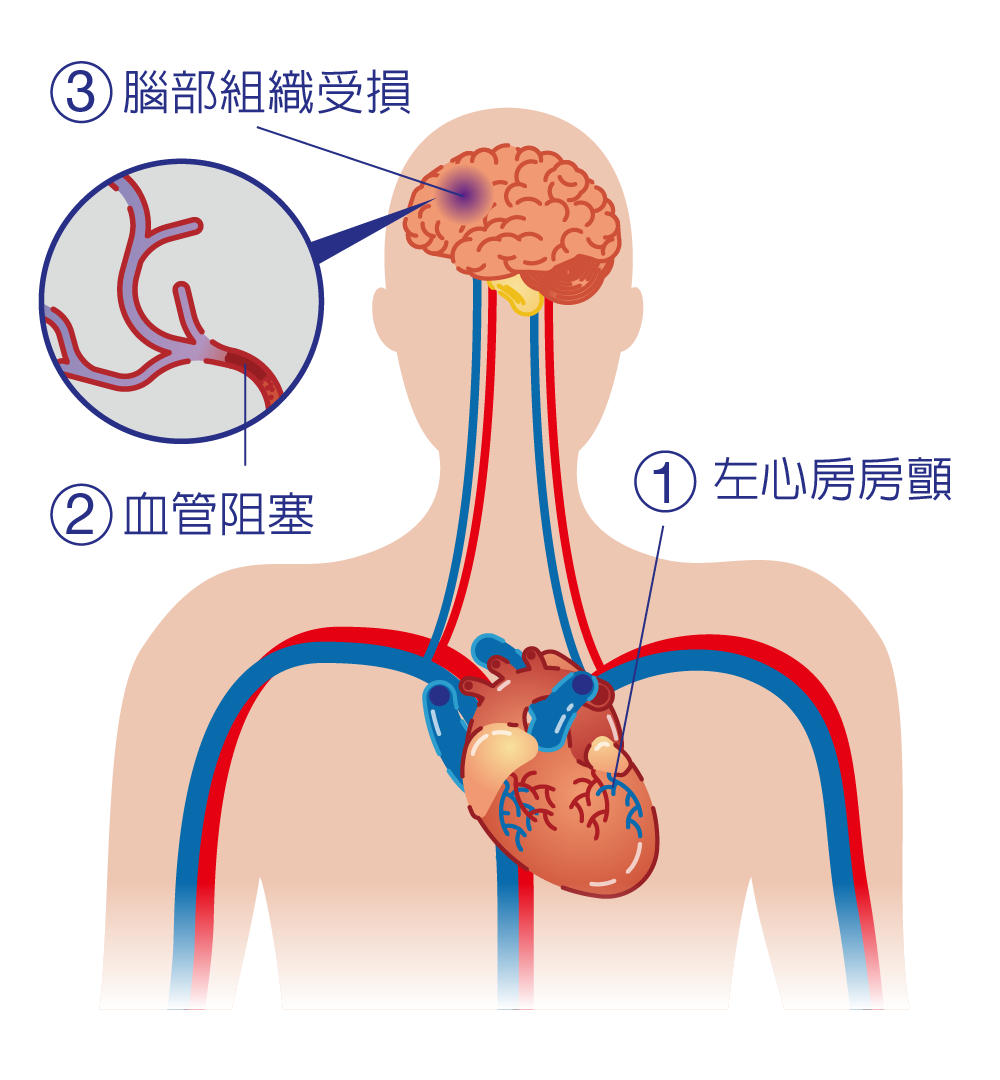
心房顫動是最致命的一種心律不整現象

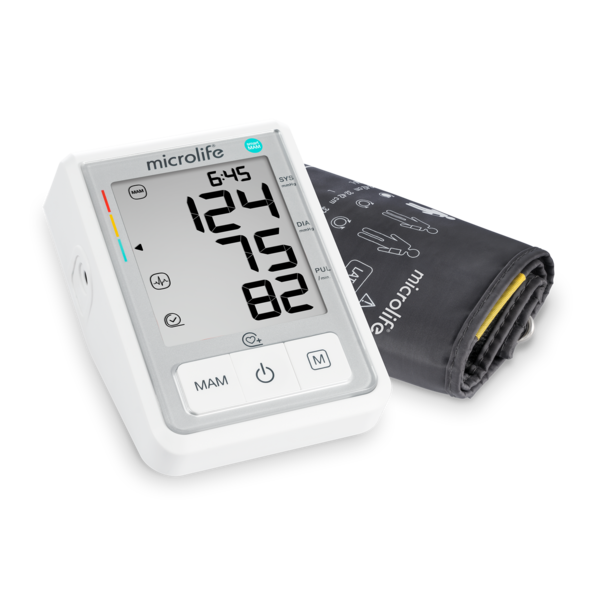
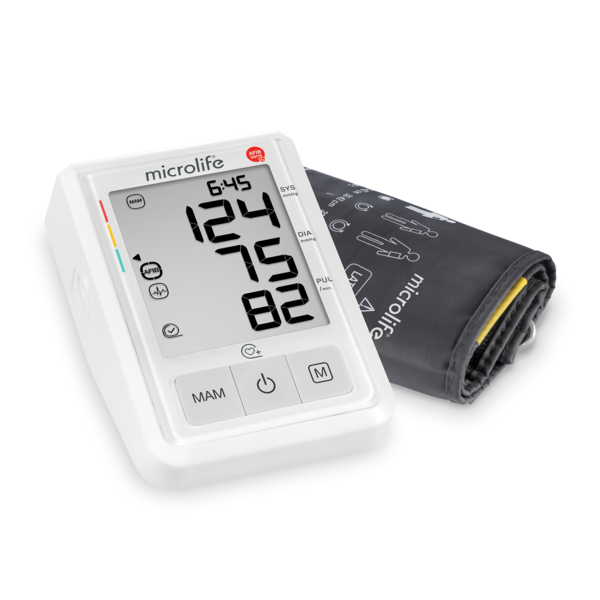
百略醫學的AFIB心房顫動偵測專利技術能有效篩檢出最危險致命的心律不整 -心房顫動,排除其他因生理與人為因素造成的心律不整。經由百略醫學的專利技術可以在血壓測量過程中自動偵測心房顫動,使用者在MAM三次平均模式下進行測量,如發現心房顫動,屏幕會顯示圖標,做為及早就醫確診與醫療咨詢的方法,幫助病患瞭解自身健康狀況。
 

準確專注篩檢心房顫動

臨床證實Microlife的心房顫動偵測具有高度敏感性(98%)與高度特異性(92%)


靈敏度

98%
 

臨床研究累計超過 10,000 名樣本,並發表於國際知名期刊。

特異性

92%
 

經臨床實證,在基層醫療/居家量測血壓,同時偵測心房顫動,可作為 AF 初篩的可靠工具。



獲英國國家健康與照顧卓越研究院NICE官方正式推薦

醫師專業推薦 : No.1 的心房顫動偵測技術!

Microlife 的心房顫動偵測技術,已經臨床實驗證明瞭準確度,研究也顯示在第一線臨床使用,有助於篩檢出新的AFIB個案。「建議使用於可能罹患高血壓的高危險群&高血壓族群的血壓管理。」


國際臨床實證列表

  Patients (n) Setting Average
age (y)
AF
n (%)
Non-AF
arrhythmia
(n)
Sinus (n) Sensitivity
(%)
Specificity
(%)
Wiesel 2004 450 Hospital 69 53 (12) 1 396 100 92
Stergiou 2009 73 Hospital 71 27 (37) 23 23 100 89
Wiesel 2009 405 Hospital 73 93 (23) 64 248 97 89
Wiesel 2013 (Tripps) 139 Home 67 14 (10)   125 99* 93*
Oxford trial 2014 999 Primary care 80 79 (8 n.s. 920 95 90
Wiesel 2014 183 Hospital 74 30 (15) n.s 153 100 92
Gandolfo 2015 207 Hospital 78 38 (18.4) n.s. 169 90 99


2013 Oxford Trail牛津臨床試驗

著名的英國牛津大學在2013年,針對1,000名家醫科患者進行了一項隨機臨床試驗 ,研究結果表明:

百略醫學的AFIB對於心房顫動的初步篩檢來說是最好的選擇,量血壓同時量測,操作簡單不需專業解釋,且準確度可媲美診間使用的單導ECG。

「所以在基層醫療與居家使用上,Microlife AFIB比ECG更適合做為房顫的篩檢工具。這些資料建議使用心房顫動技術進行居家血壓量測,有優異的診斷準確度,因此於初期診斷時可用來作為可靠的篩檢試驗。 」- Dr. George S. Stergiou((ESH成員,歐洲著名高血壓專家,已發表5本著作&超過150篇相關研究)
國內外參考文獻

  • Nichols M TN, Luengo-Fernandez R, Leal J, Gray A, Scarborough P, Rayner M European Cardiovascular Disease Statistics 2012. European Heart Network, Brussels, European Society of Cardiology, Sophia Antipolis 2012.
  • Boriani G, Laroche C, Diemberger I, Fantecchi E, Popescu MI, Rasmussen LH et al.: Asymptomatic atrial fibrillation: clinical correlates, management, and outcomes in the EORP-AF Pilot General Registry. Am J Med 2015; 128:509-518 e502.
  • Zoni-Berisso M, Lercari F, Carazza T, Domenicucci S: Epidemiology of atrial fibrillation: European perspective. Clin Epidemiol 2014; 6:213-220.
  • Sanna T, Diener HC, Passman RS, Di Lazzaro V, Bernstein RA, Morillo CA et al.: Cryptogenic stroke and underlying atrial fibrillation. N Engl J Med 2014; 370:2478-2486.
  • Gladstone DJ, Spring M, Dorian P, Panzov V, Thorpe KE, Hall J et al.: Atrial fibrillation in patients with cryptogenic stroke. N Engl J Med 2014; 370:2467-2477.
  • Camm AJ, Lip GY, De Caterina R, Savelieva I, Atar D, Hohnloser SH et al.: 2012 focused update of the ESC Guidelines for the management of atrial fibrillation: an update of the 2010 ESC Guidelines for the management of atrial fibrillation–developed with the special contribution of the European Heart Rhythm Association. Europace 2012; 14:1385-1413.
  • Hart RG, Benavente O, McBride R, Pearce LA: Antithrombotic therapy to prevent stroke in patients with atrial fibrillation: a meta-analysis. Ann Intern Med 1999; 131:492-501.
  • Ruff CT, Giugliano RP, Braunwald E, Hoffman EB, Deenadayalu N, Ezekowitz MD et al.: Comparison of the efficacy and safety of new oral anticoagulants with warfarin in patients with atrial fibrillation: a meta-analysis of randomised trials. Lancet 2014; 383:955-962.
  • Verberk WJ, Omboni S, Kollias A, Stergiou GS: Screening for atrial fibrillation with automated blood pressure measurement: Research evidence and practice recommendations. Int J Cardiol 2016; 203:465-473.
  • Wiesel J, Wiesel D, Suri R, Messineo FC: The use of a modified sphygmomanometer to detect atrial fibrillation in outpatients. Pacing Clin Electrophysiol 2004; 27:639-643.
  • Wiesel J, Wiesel D, Suri R, Messineo FC: The use of a modified sphygmomanometer to detect atrial fibrillation in outpatients. Pacing Clin Electrophysiol 2004; 27:639-643.
  • Stergiou GS, Karpettas N, Protogerou A, Nasothimiou EG, Kyriakidis M: Diagnostic accuracy of a home blood pressure monitor to detect atrial fibrillation. J Hum Hypertens 2009; 23:654-658.
  • Wiesel J, Fitzig L, Herschman Y, Messineo FC: Detection of atrial fibrillation using a modified microlife blood pressure monitor. Am J Hypertens 2009; 22:848-852.
  • Wiesel J, Abraham S, Messineo FC: Screening for asymptomatic atrial fibrillation while monitoring the blood pressure at home: trial of regular versus irregular pulse for prevention of stroke (TRIPPS 2.0). Am J Cardiol 2013; 111:1598-1601.
  • Kearley K, Selwood M, Van den Bruel A, Thompson M, Mant D, Hobbs FR et al.: Triage tests for identifying atrial fibrillation in primary care: a diagnostic accuracy study comparing single-lead ECG and modified BP monitors. BMJ Open 2014; 4:e004565.
  • Wiesel J, Arbesfeld B, Schechter D: Comparison of the Microlife blood pressure monitor with the Omron blood pressure monitor for detecting atrial fibrillation. Am J Cardiol 2014; 114:1046-1048.
  • Gandolfo C, Balestrino M, Bruno C, Finocchi C, Reale N: Validation of a simple method for atrial fibrillation screening in patients with stroke. Neurol Sci 2015; 36:1675-1678.
  • Chan PH, Wong CK, Pun L, Wong YF, Wong MM, Chu DW et al.: Head-to-Head Comparison of the AliveCor Heart Monitor and Microlife WatchBP Office AFIB for Atrial Fibrillation Screening in a Primary Care Setting. Circulation 2017; 135:110-112.
  • Chan PH, Wong CK, Pun L, Wong YF, Wong MM, Chu DW et al.: Diagnostic performance of an automatic blood pressure measurement device, Microlife WatchBP Home A, for atrial fibrillation screening in a real-world primary care setting. BMJ Open 2017; 7:e013685.
  • Alpert BS, Quinn D, Gallick D: Oscillometric blood pressure: a review for clinicians. J Am Soc Hypertens 2014; 8:930-938.
  • NICE: WatchBP Home A for opportunistically detecting atrial fibrillation during diagnosis and monitoring of hypertension http://guidance.nice.org.uk/MTG13. 2013; Assessed 18 Aug. 2015.
 

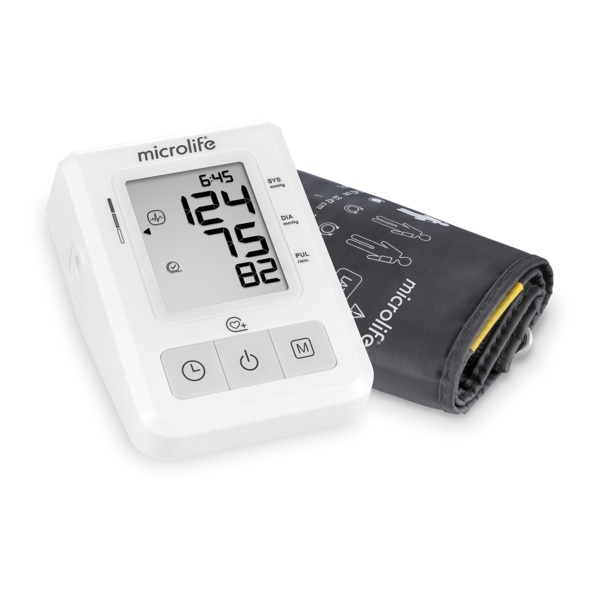
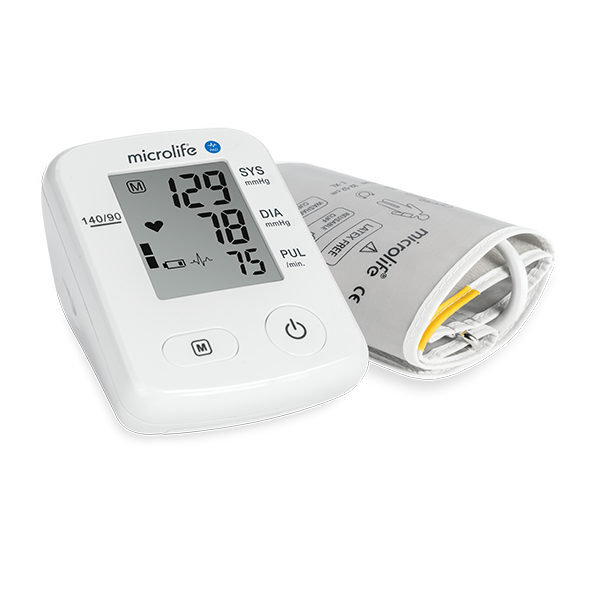
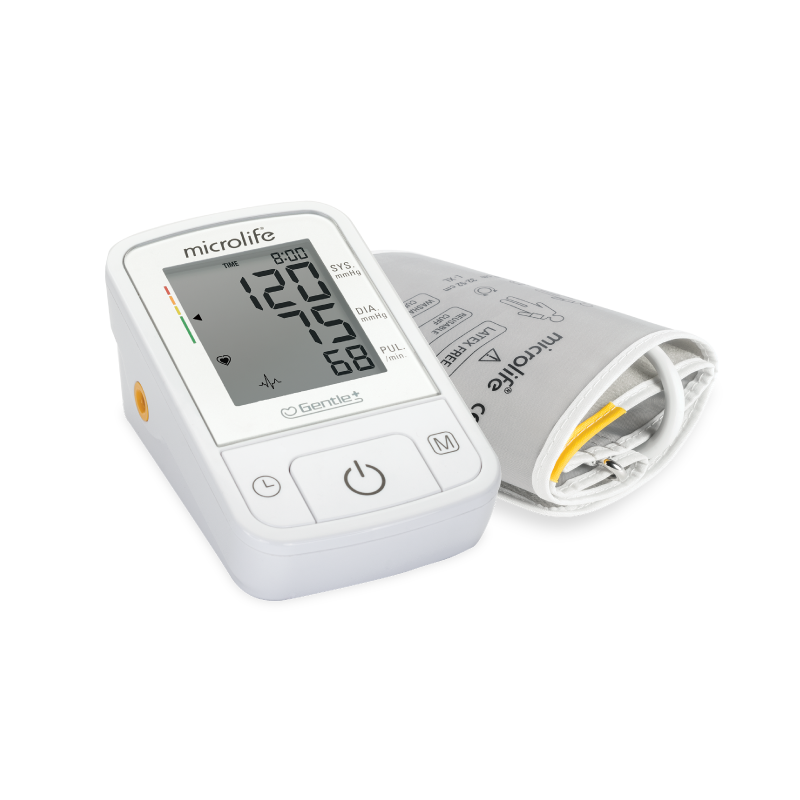
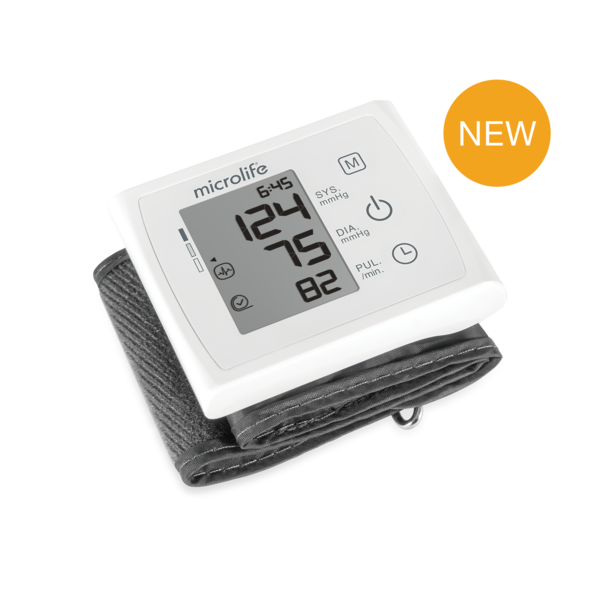
心房顫動偵測AFIB專利技術 技術相關產品


心律不規則偵測技術 (PAD)

百略醫學的PAD技術可以在血壓測量過程中自動偵測心律不規則,
做為心臟異常與及早就醫的提醒。


心律不規則技術 (PAD)

在測量血壓過程中透過計算公式及圖形比對,可正確判讀

心跳過慢、心跳過快、心房早搏、心室早搏等不規則的心跳。如果您在使用有PAD功能的血壓計時檢測到心律不規則,將會在顯示屏上出現心電圖狀的波紋符號警示圖標。PAD心律不規則偵測技術雖然不能取代院內的心臟全檢,但可用於早期發現心跳異常症狀,讓患者把握就醫的時機。

心律不規則偵測技術 (PAD)的優點

所有具有PAD技術功能的Microlife血壓計,均可讓使用者在血壓測量的同時檢測是否心律不規則,方便易用,無需額外操作任何復雜設定,即可自動完成。

與其它市面上常見的類似功能不同,PAD技術可精確分辨是生理上的心律不規則或是人為因素產生的測量誤差結果,使Microlife PAD心律不規則偵測技術不同於市面上其它常見的類似功能。

當您的血壓計屏幕出現以下警示圖標,即表示在血壓測量期間偵測到心律不規則的現象。

 

心律不規則偵測技術(PAD) 技術相關產品


MAM 平均測量模式

百略醫學的平均測量模式(MAM),將多次測量的血壓值加以
智能演算平均,以取得更接近人體真實的血壓狀況。


平均測量模式(MAM)是什麼?

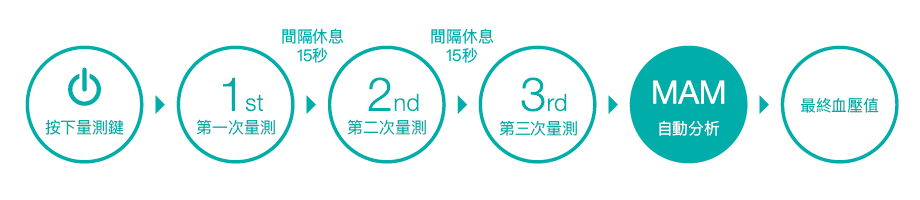
MAM體現了卓越可靠的測量技術,在每次的量測完成,間隔休息後自動繼續下一次量測,在取得3次成功測量數值後,邁克大夫的專利技術會將這些測量數值進行分析,且在液晶屏幕上顯示最終的血壓值,以取得更接近人體真實的血壓狀況。

人體血壓一天24小時內無時無刻都在發生著變化,因此連續多次測試出來的血壓值也是存在著差異,即使是同一位醫生使用傳統式血壓計測量血壓,連續測量兩次結果也會不一樣,而MAM測量功能,提供了很準確的血壓數值,作為可靠的就醫參考信息。

為什麼MAM平均測量模式技術很重要?

因為血壓的數值在一天之中會有變化,醫生和高血壓學會皆建議採用兩次以上測量數值的平均,MAM平均測量模式以加權計算分析,讓測量結果更加可靠準確。

“MAM平均測量模式技術,在很短的時間內可以準確地測量出血壓數值,相當於在90分種內重復測量的結果

平均測量模式(MAM ) 的優點

  • 提供準確可靠的測量數據
  • 快速有效的高血壓診斷
  • 為高血壓的治療提供監測
  • 若三次數值出現極不穩定的狀態,數值分析的過程中會自動進行第四次的量測,以獲得正確血壓值作為運算參考
  • 減少如運動原因造成測量的干擾誤差與臂帶位置對測量數值的影響

MAM平均測量模式血壓測量順序:


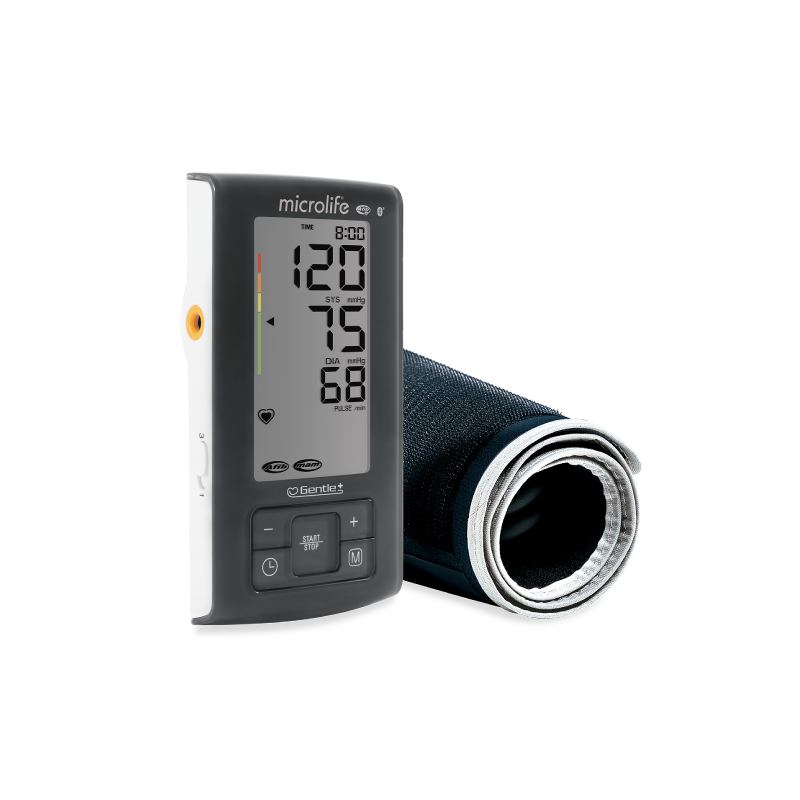
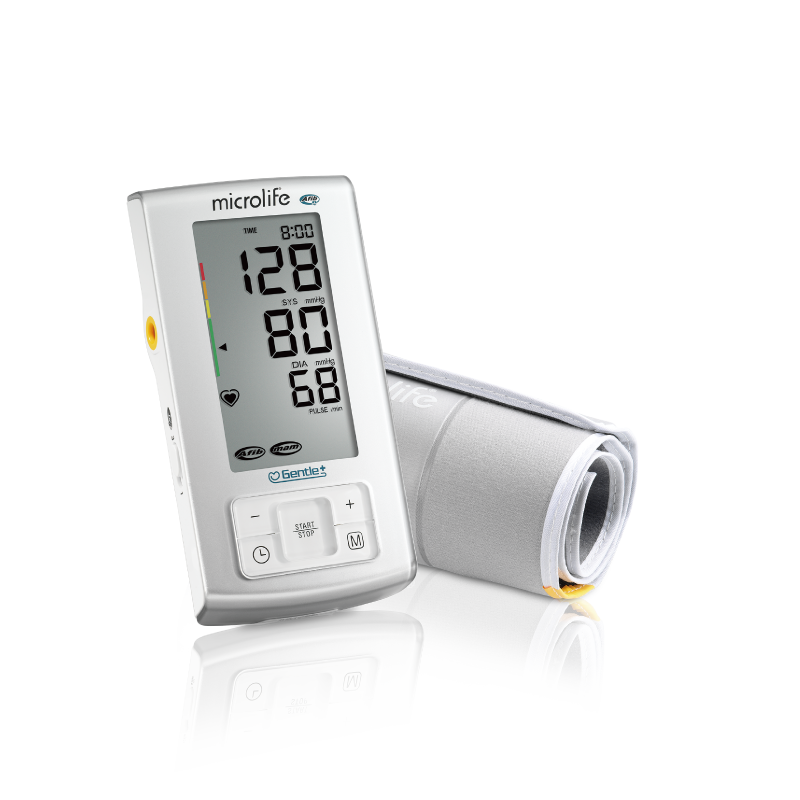
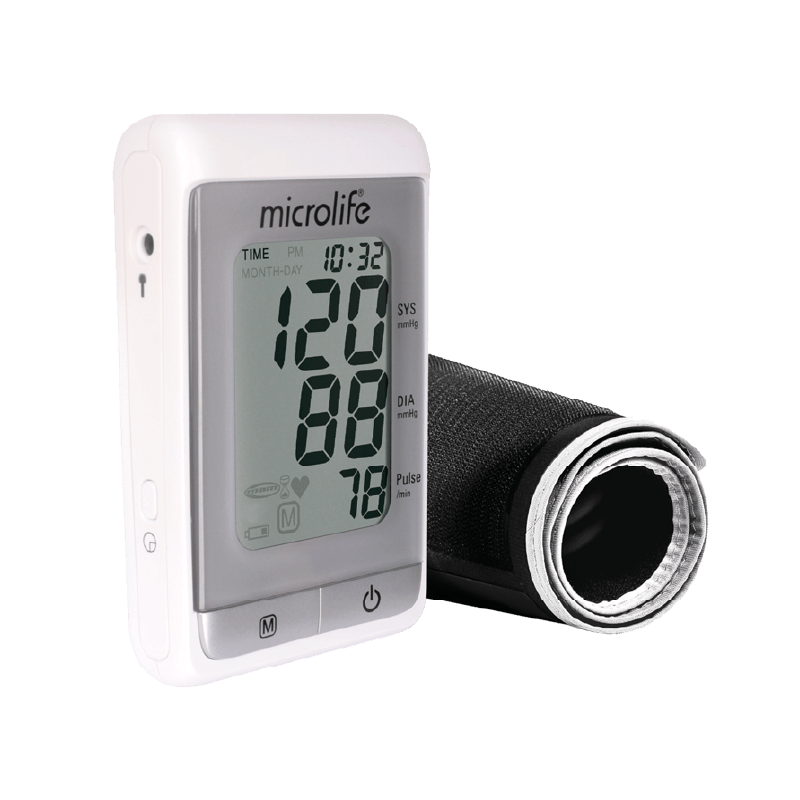
MAM 平均測量模式相關產品